COMBUSTION SURVEILLANCE // FOSSIL EMISSION INVENTORY

DIRTY ENERGY & FOSSIL EMISSIONS

The combustion of coal, oil, and methane gas remains the single dominant engine driving modern biospheric disruption and global heating. Our industrial telemetry grid monitors point-source emissions across coal power plants, flaring flares in petrochemical refining complexes, and fugitive methane plumes escaping from global supply lines.

GLOBAL CO2 FLUX: 37.4 GT/YR
FOSSIL SHARE: 81.2% PRIMARY
METHANE CONCENTRATION: 1,928 PPB
STATUS: CRITICAL EMISSIONS

FOSSIL INFRASTRUCTURE & EMISSION PLUMES

Empirical breakdown of stationary combustion, pipeline leaks, maritime bunker fuels, and petrochemical externalities.

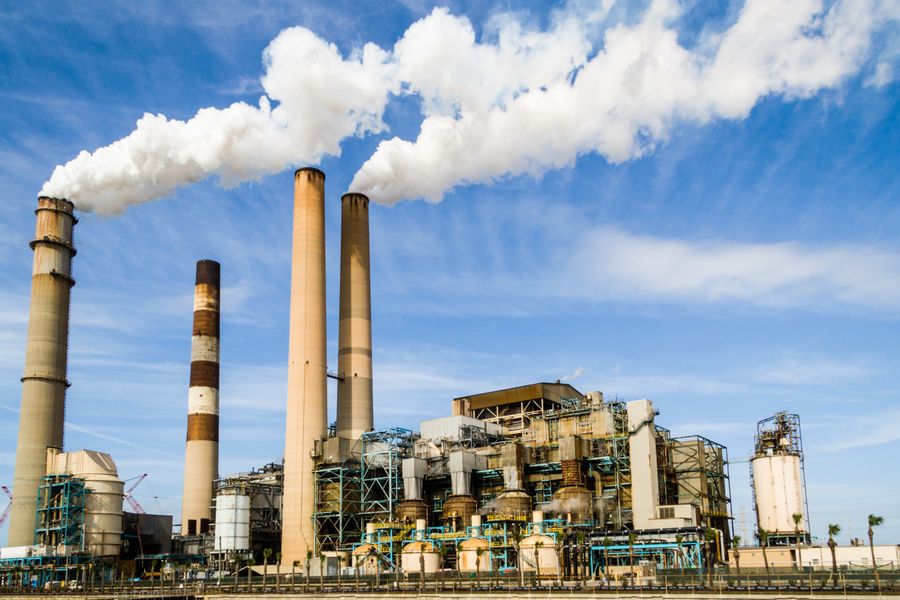
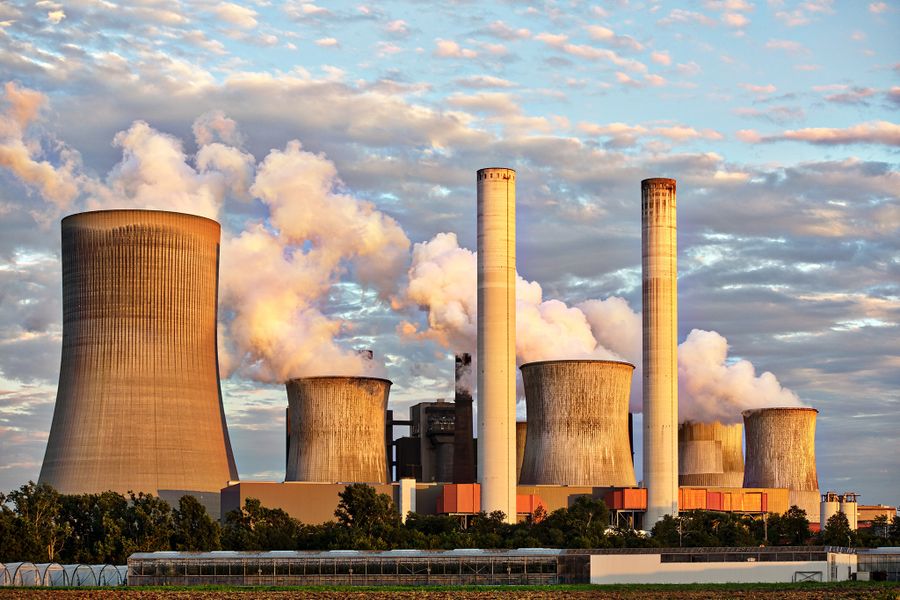
Gigantic cooling towers of coal power station venting steam
COAL-01 // THERMAL-FLEET
STATIONARY COMBUSTION

Coal-Fired Power Plants & Baseland Thermal Inefficiency

Coal combustion represents the single largest contributor to anthropogenic climate change, responsible for over forty percent of all global energy-related carbon dioxide emissions. Pulverized coal power stations operate with dismal thermodynamic efficiencies, often converting less than thirty-five percent of the fuel's chemical energy into electricity, while venting billions of tons of carbon dioxide, sulfur dioxide, mercury, and respirable PM2.5 particulates into the atmosphere. Despite international pledges to phase down unabated coal, thousands of coal-fired units continue to operate across Asia and developing industrial corridors under long-term power purchase agreements. Phasing out subcritical coal facilities and halting construction of new units is an inescapable mathematical requirement if the planet is to avoid exceeding 1.5°C of warming.
FUGITIVE GREENHOUSE FLUX

Hydraulic Fracturing & Fugitive Methane Gas Super-Emitters

The extraction and distribution of fossil methane gas—frequently marketed as a cleaner transition fuel—is plagued by extensive fugitive emissions that escape unnoticed from wellheads, pneumatic controllers, gathering pipelines, and compressor valves. Methane is an aggressive greenhouse gas with a warming impact over eighty times that of carbon dioxide across a twenty-year horizon. Airborne hyperspectral imaging campaigns across major shale formations like the Permian and Appalachian basins reveal that a tiny fraction of super-emitting facilities are responsible for the vast majority of leaks. When total lifecycle methane leakage rates exceed 3.2 percent of production, gas-fired electrical generation becomes climalogically worse than burning coal, completely obliterating any claimed carbon savings.

Flaring methane gas flame from industrial drilling rig stack
CH4-02 // SUPER-EMITTER
Dark petrochemical oil refinery with smokestacks illuminated at night
PETRO-03 // CANCER-ALLEY
ENVIRONMENTAL INJUSTICE

Petrochemical Refining Corridors & Toxic Sacrifice Zones

Petrochemical refining complexes—such as the eighty-five-mile industrial corridor along the Mississippi River known as Cancer Alley—transform crude petroleum into plastics, synthetic fertilizers, and industrial solvents while releasing devastating cocktails of carcinogenic air toxins. Communities living immediately adjacent to refinery fence lines, disproportionately low-income and racial minority populations, endure chronic exposure to toxic benzene, 1,3-butadiene, and ethylene oxide at concentrations dozens of times higher than national safety limits. These fence-line communities suffer from elevated rates of childhood asthma, autoimmune disorders, and rare cancers, illustrating how dirty energy infrastructure inflicts profound human rights violations alongside global atmospheric destruction.

Dense city traffic jam with hundreds of exhaust-spewing vehicles
TRANSPO-04 // COMBUSTION-FLEET
MOBILE EMISSIONS

Internal Combustion Ground Fleets & Urban Smog Formations

The global road transportation sector consumes tens of millions of barrels of refined petroleum fuels daily, releasing colossal quantities of nitrogen oxides, carbon monoxide, and volatile organic compounds into metropolitan street canyons. Under the influence of solar radiation and high summer temperatures, these tailpipe emissions undergo photochemical oxidation reactions to synthesize ground-level tropospheric ozone—a severe pulmonary toxin that causes chronic airway inflammation, triggers asthma attacks, and reduces agricultural crop yields in surrounding rural regions. Urban air quality sensor networks consistently register dangerous spikes in particulate matter (PM2.5) during peak commuter congestion hours, underscoring the urgent imperative to electrify mass transit systems and replace personal automobile dependency with robust active transit infrastructure.

Massive offshore oil drilling rig anchored in stormy ocean waters
OFFSHORE-05 // DEEPWATER
DEEPWATER RISKS

Offshore Deepwater Drilling & Catastrophic Spill Telemetry

As easily accessible onshore petroleum reservoirs mature and deplete, fossil conglomerates have pushed drilling operations into ultra-deepwater oceanic frontiers exceeding three thousand meters beneath the sea surface. Operating at extreme hydrostatic pressures and freezing seabed temperatures creates immense engineering hazards, as demonstrated by the catastrophic Deepwater Horizon explosion that dumped nearly five million barrels of crude oil into the Gulf of Mexico. Offshore drilling structures regularly vent hydrocarbons, discharge drill cuttings contaminated with heavy metals, and generate deafening underwater seismic airgun blasts that disrupt whale navigation and communication. Deep-sea acoustic arrays and satellite radar sounders track chronic slick releases around offshore platforms, revealing that underwater petroleum extraction poses catastrophic long-term hazards to delicate pelagic and benthic ecosystems.

HEAVY INDUSTRY

Blast Furnace Steelmaking & Metallurgical Coke Dependency

The global steel manufacturing sector accounts for approximately eight percent of total global greenhouse gas emissions, driven by the historic reliance upon coal-derived metallurgical coke in traditional blast furnaces. Coke functions both as a fuel source and as a chemical reducing agent to strip oxygen away from raw iron ore, releasing nearly two tons of carbon dioxide for every single ton of crude steel produced. While secondary electric arc furnace recycling using scrap metal is widely deployed, primary steelmaking from virgin ore remains deeply entrenched in fossil combustion. Transitioning the steel industry to green hydrogen direct reduced iron (H2-DRI) technology can eliminate over ninety-five percent of steel emissions, but requires immense capital investment and dedicated gigawatt-scale zero-emission renewable electricity grids.

Molten steel being poured in industrial steel mill blast furnace
STEEL-06 // BLAST-FURNACE
Industrial rotary cement kiln venting greenhouse gas emissions
CEMENT-07 // CALCINATION
EMBODIED CHEMICAL FLUX

Cement Manufacturing & Chemical Process Calcination

Concrete is the second most consumed substance on Earth after water, and the manufacturing of Portland cement alone is responsible for approximately seven percent of all global anthropogenic carbon dioxide emissions. What makes cement uniquely challenging to decarbonize is that more than sixty percent of its emissions do not stem from fuel combustion, but rather from the fundamental chemical calcination reaction, where limestone (CaCO3) is thermally decomposed into calcium oxide (CaO) and carbon dioxide gas inside massive rotary kilns at 1,450°C. Even if kilns were completely electrified with renewable energy, this chemical process would continue to vent massive volumes of greenhouse gas. Decarbonizing structural concrete requires formulating novel zero-clinker cements, utilizing supplementary cementitious materials like volcanic pozzolans, and capturing residual kiln gases.

Gigantic container ship sailing across ocean burning heavy fuel
SHIPPING-08 // BUNKER-FUEL
MARITIME BUNKER FUELS

International Shipping & Heavy Fuel Oil Combustion

The global merchant shipping fleet, comprising over fifty thousand cargo container vessels, bulk carriers, and oil tankers, powers international trade almost exclusively by combusting residual heavy fuel oil (HFO)—a tar-like, sulfur-laden byproduct of petroleum refining. Marine diesel engines burn roughly three hundred million metric tons of bunker fuel annually, venting massive amounts of sulfur oxides, black carbon soot, and nitrogen dioxide directly over international sea lanes. Black carbon deposited onto polar sea ice reduces surface albedo and accelerates glacial melting, while particulate air pollution around major international container ports causes premature cardiopulmonary mortality among nearby urban populations. Decarbonizing maritime freight mandates transitioning to green ammonia, biomethanol, and rotor-sail wind assistance.

Ruptured crude oil pipeline spilling black oil into muddy terrain
PIPE-09 // LEAK-DETECTION
CORRIDOR VULNERABILITY

Crude Oil Pipeline Spills & Freshwater Contamination

Sprawling continental networks of pressurized steel crude oil and dilbit pipelines traverse thousands of sensitive rivers, agricultural aquifers, and indigenous tribal territories across the globe. Aging infrastructure, internal metallurgical corrosion, and ground shift stress regularly cause catastrophic pipeline ruptures, spilling millions of gallons of toxic petroleum into waterways before automated shutoff valves can be actuated. Diluted bitumen (dilbit) extracted from tar sands is particularly hazardous; when spilled into aquatic environments, the volatile diluents evaporate into toxic benzene fumes, causing heavy bitumen to sink to the riverbed where it resists standard surface oil containment booms. Satellite radar interferometry and acoustic smart-pig pipeline inspection sensors provide vital leak detection to prevent localized hydrological poisoning.

ATMOSPHERIC PERSISTENCE

Flaring and Venting: The Waste of Valuable Energy

During oil extraction operations where infrastructure to capture and transport associated natural gas is absent, petroleum operators frequently vent raw methane or burn it in massive flare stacks atop production rigs. Worldwide, approximately one hundred and forty billion cubic meters of associated gas are flared annually—an immense economic waste of usable energy that vents nearly four hundred million tons of carbon dioxide equivalents into the atmosphere every year. Flares frequently suffer from incomplete combustion due to high crosswinds, meaning that substantial fractions of unburned methane escape directly into the boundary layer alongside soot and unburned hydrocarbons. Satellite sensors operating night-fire radiometers track flare volumes globally, pressuring international energy conglomerates to eliminate routine flaring through flare gas recovery and reinjection systems.

Industrial flare stack burning excess gas against a dark night sky
FLARE-10 // RADIOMETRY
Plastic trash bottle debris polluting scenic ocean coastline
PLASTIC-11 // HYDROCARBON-POLYMER
PETROCHEMICAL EXPANSION

Single-Use Plastics: The Downstream Hydrocarbon Engine

As the transition toward electric vehicles and renewable electricity threatens the long-term profitability of fossil fuel extraction, major oil conglomerates have poured hundreds of billions of dollars into expanding petrochemical plastic manufacturing facilities. Over ninety-nine percent of all commercial plastics are synthesized directly from fossil fuel chemicals—primarily ethane and naphtha—making plastic production one of the fastest growing drivers of global oil demand. Single-use plastic packaging is incinerated in municipal waste burners or discarded into rivers and oceans, where it fragments into pervasive microplastics that infiltrate drinking water, marine life, and human bloodstreams. Halting petrochemical overproduction requires binding international plastics treaties, mandatory extended producer responsibility laws, and massive scaling of compostable biomaterials.

Commercial jet airliner leaving condensation trails in the sky
AVIATION-12 // CONTRAIL-CIRRUS
HIGH-ALTITUDE FORCING

Commercial Aviation & High-Altitude Contrail Cirrus

Commercial jet aircraft burning kerosene-based jet fuel release carbon dioxide directly into the sensitive upper troposphere and lower stratosphere, where emissions produce disproportionately potent climate impacts. In addition to carbon dioxide, high-altitude aircraft exhaust expels soot and water vapor that condense in cold, ice-supersaturated air to form persistent condensation trails, or contrails. These artificial contrails frequently spread out into expansive, high-altitude contrail-cirrus cloud sheets that trap outgoing terrestrial infrared radiation while allowing incoming sunlight to pass, causing a net warming effect estimated to exceed the direct climate forcing of aviation CO2 emissions alone. Mitigating aviation climate forcing requires rerouting flight corridors around supersaturated airspace zones and rapidly scaling sustainable aviation fuels.

Open pit tar sands strip mining operation scarring forest
TARSANDS-13 // BITUMEN
EXTREME EXTRACTION

Alberta Tar Sands & Strip-Mining Ecological Devastation

The Athabasca oil sands in Alberta, Canada represent one of the most environmentally destructive industrial extraction enterprises on Earth. To recover viscous bitumen, vast expanses of ancient boreal peatlands and old-growth pine forests are strip-mined using colossal earthmoving machinery, completely destroying indigenous hunting grounds and wildlife habitats. Extracting and upgrading bitumen requires energy-intensive thermal steam injection and burning natural gas, generating greenhouse emissions per barrel up to three times higher than conventional light sweet crude oil. The extraction process has generated over one billion cubic meters of toxic tailings ponds containing toxic naphthenic acids, arsenic, and polycyclic aromatic hydrocarbons that continuously leak into the Athabasca River watershed, poisoning downstream indigenous First Nations communities.

EQUIPMENT TELEMETRY

Legacy Well Abandonment & Subterranean Leakage

Across the globe, millions of exhausted and unplugged oil and gas wells—known as orphan or abandoned wells—litter the landscape without ongoing maintenance or regulatory oversight. When petroleum companies declare bankruptcy, they frequently leave behind corroding steel casings that fracture underground, allowing pressurized methane, hydrogen sulfide, and salty brine to migrate into shallow drinking water aquifers and vent directly into the atmosphere. Thermal imaging camera inspections reveal that hundreds of thousands of undocumented legacy wells continue to emit plumes of potent greenhouse gases decades after commercial production ceased. Federal orphan well plugging programs and robotic acoustic wellbore monitoring are essential to seal these subterranean leak pathways and eliminate silent, uncontrolled emissions.

Rusty abandoned oil pump jack standing idle in overgrown grass
ORPHAN-14 // WELLBORE
Financial district skyscrapers gleaming in evening light
FINANCE-15 // STRANDED-ASSETS
FINANCIAL RISK ARCHITECTURE

Fossil Fuel Subsidies & The Carbon Bubble Collapse

Global governments continue to funnel over one trillion dollars annually in direct and indirect subsidies to artificial fossil fuel extraction, lowering the retail cost of polluting energy while delaying the natural economic transition toward renewables. Concurrently, major global investment banks and sovereign pension funds hold trillions of dollars in fossil fuel reserves that cannot be burned if humanity is to adhere to established carbon budget limits. This unburnable carbon represents a massive financial risk known as the carbon bubble; as renewable energy continues to undercut fossil energy on price, trillions in fossil infrastructure will inevitably become stranded assets, threatening to trigger systemic shocks throughout the global financial system unless capital is proactively reallocated toward regenerative climate infrastructure.