FOREST SURVEILLANCE // CANOPY REGENERATION MATRIX

GLOBAL FOREST CANOPIES & BIODIVERSITY

Earth's forests form the living biological lungs of our planet, inhaling massive quantities of atmospheric carbon dioxide while transpiring billions of gallons of moisture into continental cloud rivers every single day. Explore our comprehensive canopy surveillance telemetry tracking Amazonian deforestation thresholds, primary old-growth forest stability, and high-latitude boreal carbon sink dynamics.

TOTAL CANOPY COVER: 4.06B HECTARES
NET ANNUAL SEQUESTRATION: -7.6 GT CO2/YR
TREE CANOPY LOSS: 3.7M HA (PRIMARY)
STATUS: CRITICAL // HIGH ALERT

CANOPY DIAGNOSTICS & ECOLOGICAL MATRICES

Real-time analysis of evapotranspiration rivers, mycelial root networks, and habitat fragmentation vectors.

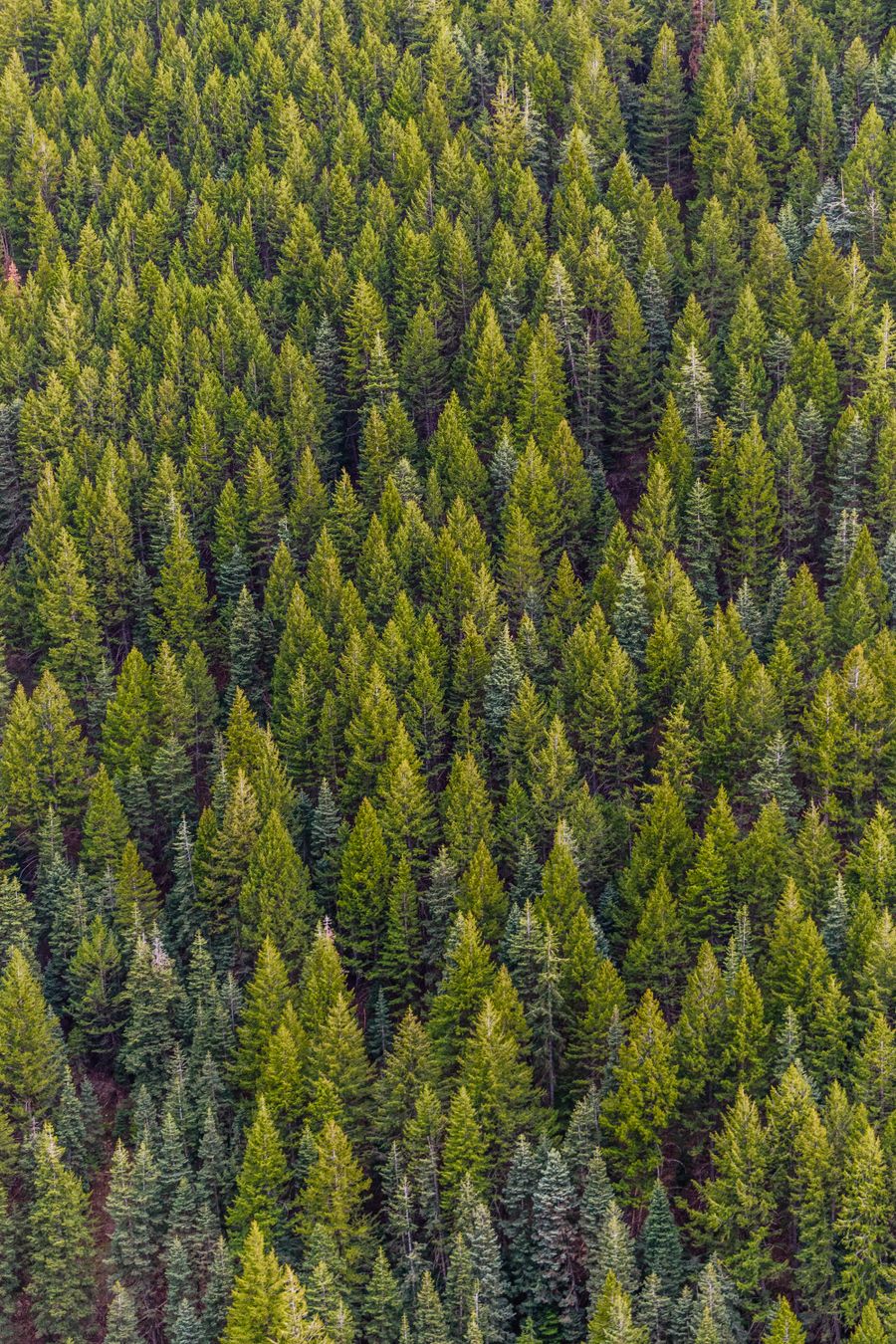
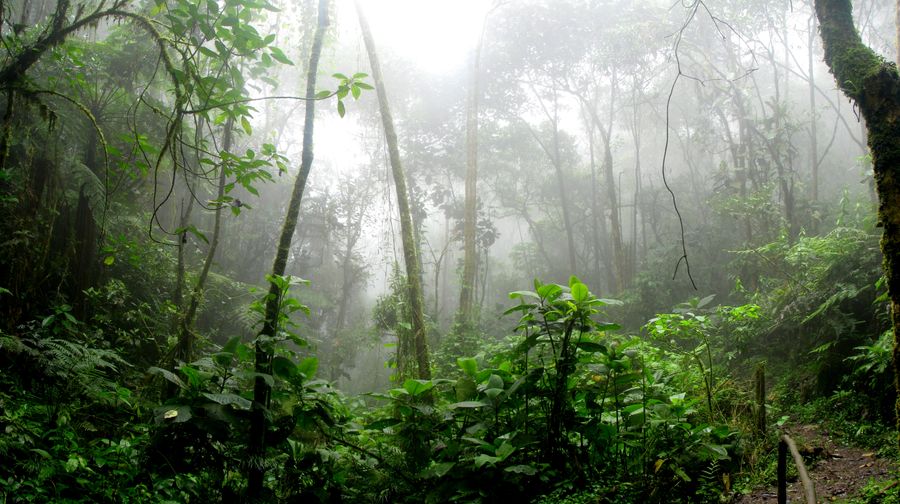
Aerial view of dense lush emerald rainforest canopy
CANOPY-01 // AMAZON
CANOPY DEGRADATION

Amazon Basin Deforestation Rates & Tipping Thresholds

The Amazon rainforest, encompassing over six million square kilometers of unmatched biological richness, stands perilously close to an irreversible ecological tipping point. Decades of satellite radar mapping indicate that nearly twenty percent of the primary forest cover has been clear-cut or severely degraded to make way for cattle ranching, industrial soy cultivation, and illegal logging operations. When regional forest loss surpasses twenty to twenty-five percent, climatological models forecast a collapse of the self-sustaining hydrological cycle, permanently transforming the lush rainforest into a degraded dry savanna. This catastrophic transition would liberate up to one hundred and twenty billion tons of stored carbon into the global atmosphere, effectively neutralizing international decarbonization efforts and precipitating a massive pulse of terrestrial species extinctions across South America.
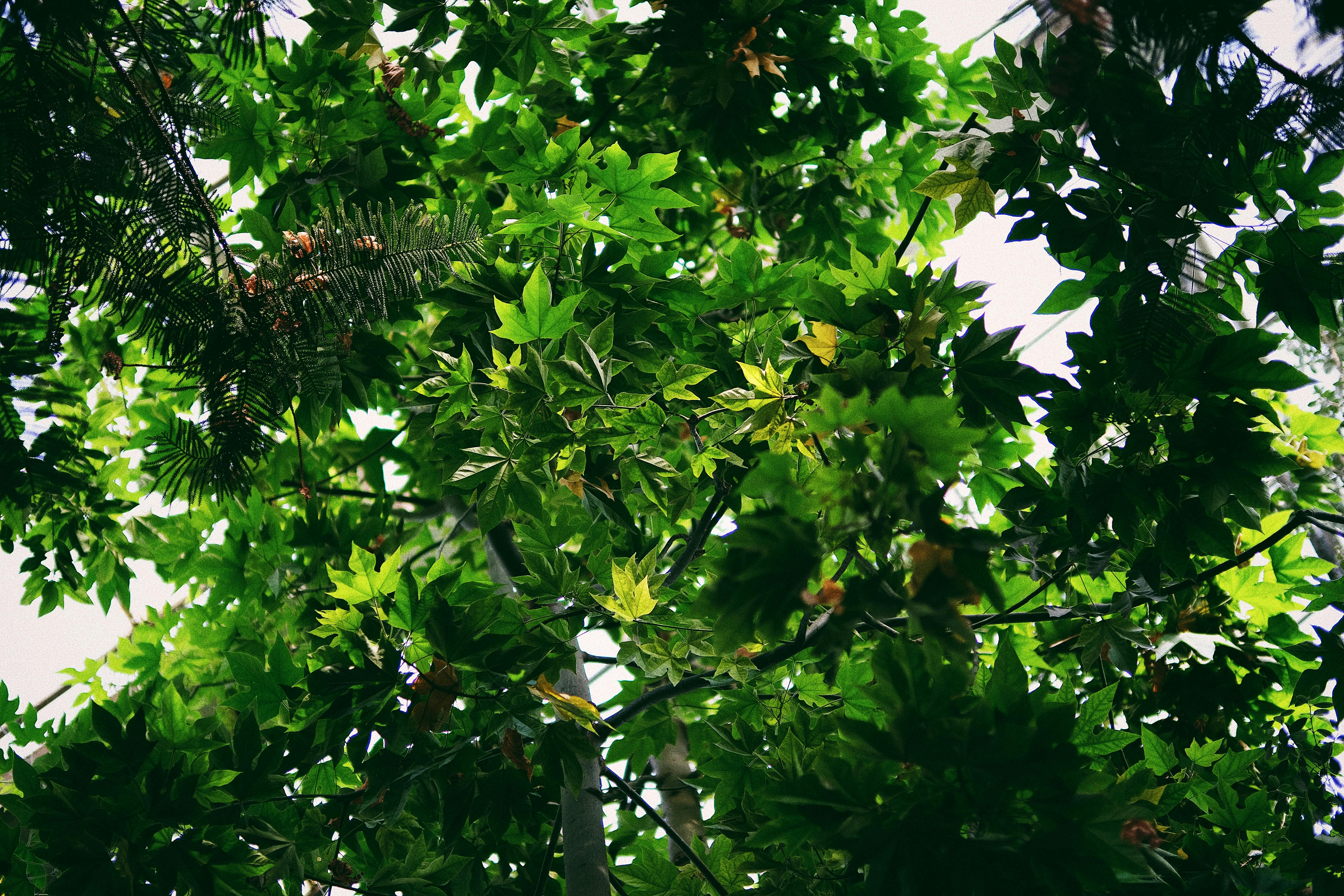

BIOGEOCHEMICAL FLUX

Photosynthetic Carbon Capture & Global Oxygen Generation

Forest ecosystems across the globe absorb roughly sixteen billion metric tons of carbon dioxide from the atmosphere annually through chlorophyll-mediated photosynthetic pathways, storing carbon within woody trunks, root architecture, and deep soil organic matrices. Concurrently, terrestrial vegetation expels billions of metric tons of life-sustaining oxygen, maintaining the atmospheric composition essential for terrestrial animal respiration. However, escalating drought conditions, warming soils, and frequent wildfire events are beginning to outstrip photosynthetic gains, causing several equatorial forest sectors to transition from net carbon sinks into net carbon sources. High-resolution orbital sounders measuring solar-induced chlorophyll fluorescence reveal that heat-stressed tree canopies reduce daytime gas exchange, signaling an urgent requirement to protect existing mature forests and allow natural ecological regeneration to proceed unhindered.

Meandering river through Amazon rainforest with morning mist
FLUX-02 // O2-CO2
Vibrant tropical macaw birds in jungle tree
BIO-03 // TROPHIC
BIODIVERSITY LOSS

Trophic Web Collapse in Fragmented Rainforest Edges

When continuous primary forests are sliced into isolated parcels by infrastructure corridors, highways, and agricultural developments, the newly created edges experience drastic microclimatic shifts known scientifically as the edge effect. Increased solar exposure, drying winds, and elevated ambient temperatures cause high rates of large hardwood tree mortality along forest margins, while invasive grasses and aggressive opportunistic predators displace sensitive endemic species. Long-term biological surveys in the Biological Dynamics of Forest Fragments Project demonstrate that isolated forest patches under one hundred hectares lose up to fifty percent of their understory bird populations, amphibians, and specialized pollinating insects within a few decades. Re-establishing ecological wildlife corridors and connecting fragmented biological reserves is essential to preserve genetic diversity and prevent localized extinction vortexes across tropical biomes.

Indigenous elder standing in lush primary forest
SOV-04 // STEWARDSHIP
LAND SOVEREIGNTY

Indigenous Land Rights as Prime Conservation Corridors

Extensive satellite monitoring and empirical peer-reviewed forestry studies prove that land territories officially titled to and managed by indigenous peoples experience significantly lower deforestation and forest degradation rates than state-administered national parks or unprotected wilderness areas. Indigenous customary governance frameworks and traditional ecological knowledge systems treat forest landscapes as interconnected living kin, implementing regenerative rotational harvesting, controlled low-intensity cool burns, and multi-generational wildlife stewardship that actively enhance ecological resilience. Despite defending more than eighty percent of the planet's remaining terrestrial biodiversity, indigenous communities face lethal violence from illegal mining cartels, timber mafias, and corporate agribusiness land grabbers. Enforcing constitutional land titling and legal sovereignty for indigenous nations is the single most effective, cost-efficient human-rights intervention for halting tropical forest destruction worldwide.

Tangled mangrove root system in clear tidal waters
MANGROVE-05 // BLUE CARBON
BLUE CARBON ECOSYSTEMS

Coastal Mangrove Estuary Depletion & Soil Trapping

Fringing tropical and subtropical coastlines across the globe, mangrove forests possess an extraordinary ability to capture and sequester atmospheric carbon within their waterlogged, anoxic sediment layers for thousands of years. The stilt roots of red and black mangroves disperse incoming wave energy, protecting vulnerable coastal settlements from storm surges while trapping nutrient-rich organic silts that feed commercial offshore fisheries. Despite their monumental ecological value, over thirty-five percent of global mangrove cover has been eradicated over the past fifty years, largely cleared to establish short-lived industrial shrimp aquaculture ponds, urban tourist developments, and coastal ports. Restoring tidal hydrology and planting multi-species mangrove buffers is a vital dual-benefit strategy that accelerates marine carbon sequestration while providing indispensable natural breakwaters against rising global sea levels.

AFRICAN BASIN INTEGRITY

Congo Basin Peatlands & Hydrological Resilience

The Congo River Basin houses the second-largest contiguous tropical rainforest on Earth and encompasses the Cuvette Centrale peatlands, the most extensive tropical peatland complex on the planet, storing approximately thirty billion metric tons of carbon in waterlogged soils. This colossal subterranean carbon store equals roughly three years of total global fossil fuel emissions; keeping these peat layers saturated is essential to prevent massive carbon releases. The dense forest canopy above transpires millions of tons of water daily, regulating rainfall regimes that sustain subsistence agriculture for tens of millions of smallholder farmers across Central and West Africa. Expanding industrial logging concessions, commercial palm oil plantations, and infrastructure roads threaten to drain these sensitive peat bogs, underscoring the urgent necessity for sovereign conservation financing mechanisms that safeguard Central African forest ecosystems.

Deep green Congo basin jungle river with dense canopy
CONGO-06 // PEAT-SINK
Pristine peat swamp forest with reflective dark waters
PEAT-07 // BORNEO
FIRE VULNERABILITY

Southeast Asian Peat Swamp Drainage & Smoldering Fires

In Indonesia and Malaysia, millions of hectares of ancient tropical peat swamp forests have been systematically cleared, dredged, and drained using networks of industrial canals to establish monoculture oil palm and pulpwood paper plantations. Draining the natural water table exposes deep organic peat strata to atmospheric oxygen, initiating rapid decomposition and creating an explosive underground fuel bed that catches fire during dry El Niño droughts. Once ignited, subsurface peat fires smolder stubbornly underground for months at temperatures exceeding five hundred degrees Celsius, releasing suffocating transboundary smoke plumes and venting millions of tons of ancient fossilized carbon. Re-wetting degraded peatlands through canal blocking and implementing sustainable agroforestry on native peatland species are crucial regional interventions needed to halt chronic toxic haze disasters and preserve surviving orangutan habitats.

Sunbeams penetrating through dense rainforest canopy mist
TAIGA-08 // BOREAL
HIGH-LATITUDE BIOMES

Circumpolar Boreal Taiga & Megafire Intensification

Encircling the high northern latitudes of Canada, Alaska, Scandinavia, and Siberia, the circumpolar boreal forest represents the largest terrestrial biome on Earth, storing more carbon in its cold soils, moss carpets, and permafrost than all tropical rainforests combined. However, rising temperatures in the Arctic and subarctic regions are drying out needle-litter beds and increasing lightning strike frequency, triggering unprecedented megafires that consume millions of hectares of mature taiga annually. These intense crown fires incinerate organic duff layers down to the mineral soil, burning away centuries of accumulated carbon and turning vast boreal tracts into active atmospheric carbon emitters. Airborne lidar surveys demonstrate that frequent fire return intervals prevent slow-growing black spruce forests from regenerating, permanently altering the vegetative composition of high-latitude biomes.

High altitude cloud forest draped in mosses and bromeliads
CLOUD-09 // MONTANE
ATMOSPHERIC MOISTURE

Tropical Montane Cloud Forests & Horizontal Precipitation

Perched high on the mist-draped slopes of tropical mountain ranges, montane cloud forests play an indispensable hydrological role by capturing horizontal precipitation directly from passing cloud banks. Epiphytic mosses, ferns, and bromeliads blanketing the tree trunks function as giant biological sponges, intercepting suspended water droplets from fog and channeling clean, steady water into mountain streams that supply downstream municipal aquifers. Rising sea surface temperatures, however, are pushing the cloud condensation lifting condensation level higher up mountain slopes, leaving lower cloud forest zones stranded in dry, warm air for prolonged periods. This phenomenon, known as the lifting cloud base syndrome, dries out delicate microclimates and precipitates catastrophic population crashes among moisture-dependent cloud forest amphibians, orchids, and endemic bird species.

SUBTERRANEAN NETWORKS

Mycelial Wood-Wide Web & Soil Nutrient Highways

Beneath the visible floor of undisturbed natural forests lies a microscopic underground superhighway of symbiotic mycorrhizal fungal hyphae connecting the root systems of different tree species across entire landscapes. Often termed the Wood-Wide Web, this intricate subterranean network enables mature mother trees to transfer vital carbohydrates, amino acids, and water to shaded understory saplings, while transmitting chemical defense warning signals when insect pests attack neighboring trees. Soil metagenomic sequencing reveals that fungal networks store up to one-third of all terrestrial fossil fuel emissions in stable organic forms, acting as the foundational biochemical glue holding forest topsoils together. Industrial clear-cutting and mechanical heavy machinery compact these fragile soils and pulverize mycelial networks, taking decades to re-establish the microbiological vitality necessary for natural forest recovery.

Mushrooms and glowing mycelium networks on forest floor
MYCEL-10 // FUNGAL-WEB
Aerial view of industrial logging clear-cut scarring forest
ILLEGAL-11 // RADAR-SAR
REMOTE SURVEILLANCE

Illegal Logging Penetration & Synthetic Aperture Radar

Illegal timber extraction frequently begins with clandestine bulldozer tracks penetrating deep into pristine wilderness areas under the dense cover of night, selectively felling high-value ancient hardwood species like mahogany, rosewood, and ipe. Because traditional optical satellites are frequently blinded by dense cloud cover and heavy rainfall in equatorial zones, environmental law enforcement agencies deploy L-band Synthetic Aperture Radar (SAR) constellations that penetrate directly through cloud canopies to detect subtle structural disturbances on the forest floor. Near-real-time satellite alert systems enable rangers to intercept armed logging syndicates before unauthorized dirt access roads expand into sprawling deforestation corridors. International trade regulations mandating cryptographic timber tracking and strict import supply chain audits are essential to shut down global black markets that profit from stolen primary timber.

Flying river clouds hovering over vast green jungle
ATMOS-12 // RIVERS
CLIMATIC TELECONNECTIONS

Flying Rivers: Evapotranspiration & Continental Rainfall

A single mature Amazonian hardwood tree can transpire upwards of one thousand liters of clean water vapor into the atmosphere every single day through microscopic leaf stomata. En masse, the billions of trees across the Amazon Basin pump an estimated twenty billion metric tons of water into the troposphere daily—a volume that surpasses the total daily freshwater discharge of the Amazon River into the Atlantic Ocean. These colossal aerial vapor flows, known scientifically as flying rivers, travel thousands of kilometers southwest across the continent, colliding with the Andes mountain barrier and curving southward to nourish South America's major agricultural breadbaskets. Extensive canopy loss disrupts this biotic pump mechanism, triggering severe regional droughts, depleting municipal reservoirs in major metropolitan areas like São Paulo, and threatening the water security of an entire continent.

Tropical fruit-eating hornbill bird perched on branch
SEED-13 // DISPERSAL
KEYSTONE ZOOLOGY

Frugivore Loss & The Disruption of Natural Seed Dispersal

Over eighty percent of tropical tree species depend entirely upon wild fruit-eating animals (frugivores)—including tapirs, spider monkeys, toucans, hornbills, and fruit bats—to ingest, transport, and disperse their seeds across the forest landscape. Dense, high-carbon hardwood trees typically produce large, heavy seeds that can only be swallowed and effectively dispersed by large-bodied vertebrates. Commercial bushmeat poaching and habitat loss have decimated populations of these keystone megafauna, causing what ecologists term empty forest syndrome—forests that appear outwardly intact but have ceased to reproduce their most valuable canopy species. Without large seed dispersers, regenerating forest stands are dominated by wind-dispersed, fast-growing pioneer trees with light, low-density wood, reducing total long-term carbon storage capacity by up to twelve percent across defaunated tropical regions.

TEMPERATE CARBON RESERVES

Temperate Rainforest Biomass & Coastal Redwoods

While tropical rainforests receive the majority of public attention, the temperate coastal rainforests of the Pacific Northwest, Chile, and Southeastern Australia harbor the highest biomass density per hectare of any ecosystem on the planet. Ancient coast redwoods (Sequoia sempervirens) and Douglas firs can live for thousands of years, reaching heights exceeding one hundred meters and accumulating over two thousand metric tons of carbon per hectare within their massive trunks, needles, and bark. Their thick, tannic bark provides exceptional resistance against natural wildfires, while coastal fog drip provides essential moisture during dry summer months. Protecting surviving ancient old-growth stands from commercial clear-cutting and transitioning working timberlands to extended eighty-year harvest rotations maximizes continuous biological carbon storage while preserving pristine cold-water spawning rivers for wild salmon populations.

Towering giant coastal redwood trees reaching toward sky
REDWOOD-14 // TEMPERATE
Community agroforestry farm with native fruit trees and crops
AGRO-15 // SYNTHROPY
REGENERATIVE PARADIGMS

Agroforestry & Syntropic Agriculture as Buffer Zones

Reconciling human food production with forest conservation necessitates transitioning away from destructive monoculture farming toward syntropic agroforestry systems that mimic the multi-layered stratification of natural forest canopies. By integrating native timber hardwoods, fruit trees, nitrogen-fixing leguminous shrubs, and annual crops in dense, synergistic polycultures, farmers harvest diverse food yields while restoring degraded soils and establishing biodiverse wildlife corridors around protected national parks. Syntropic management requires intensive pruning to generate heavy organic mulch, accelerating natural nutrient cycling without requiring synthetic chemical fertilizers or pesticides. Empowering smallholder farming communities through agroforestry land tenure programs establishes resilient economic livelihoods that defend standing forests, proving that human agricultural enterprise can function as an active regenerative force within the biosphere.