PLANETARY REGENERATION MATRIX // CLIMATE ACTION PROTOCOLS

FIX THE PLANET: RESTORATION PROTOCOLS

A comprehensive, scientifically verified operational blueprint for halting environmental degradation and achieving biospheric equilibrium. Explore breakthrough technologies and policy mechanisms across decentralized clean grids, regenerative agriculture, continental rewilding, and circular material economics.

GLOBAL CLEAN POWER: +510 GW/YR
RESTORATION TARGET: 350M HECTARES
CIRCULARITY RATE: 7.2% CURRENT
ACTION LEVEL: MAXIMUM PROTOCOL

ACTIONABLE CLIMATE SOLUTIONS & REGENERATION

Tangible implementations spanning clean energy deployment, nature-based drawdown, high-speed rail, and global justice.

Small tender green plant sprout growing out of rich dark soil
REGEN-01 // AGROECOLOGY
AGROECOLOGICAL SOIL DYNAMICS

Regenerative Agriculture & Soil Carbon Drawdown

Transitioning industrial chemical farmland to regenerative agroecological practices represents one of the most immediate, scalable natural carbon drawdown mechanisms available. By eliminating synthetic fertilizers and chemical pesticides, maintaining continuous multi-species cover crops, practicing no-till seeding, and integrating rotational livestock grazing, farmers restore depleted biological soil microbiomes. Symbiotic mycorrhizal fungal networks lock organic carbon deep into the soil profile for centuries, transforming farmland from a source of emissions into a colossal planetary carbon sink. Concurrently, healthy soils enriched with organic matter retain up to twenty times more moisture per acre, creating extraordinary resilience against extreme droughts and catastrophic flash flooding while securing nutrient-dense food systems.

GRID TRANSFORMATION

Offshore Wind & Continental Ultra-High-Voltage HVDC Grids

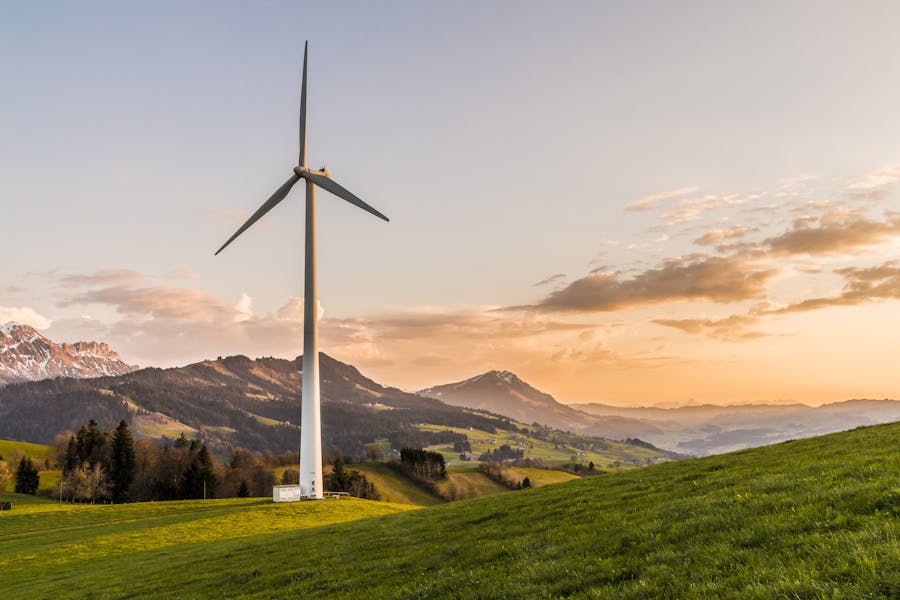
Deploying massive arrays of floating and fixed-bottom offshore wind turbines unlocks the vast, consistent kinetic wind energy resources traversing open ocean waters. Modern 15-megawatt marine turbines feature rotor diameters exceeding two hundred and thirty meters, generating immense electrical output with capacity factors surpassing fifty percent. To transmit this intermittent renewable energy across thousands of kilometers with minimal transmission loss, nations are constructing Ultra-High-Voltage Direct Current (UHVDC) transmission supergrids operating at over 800 kilovolts. These continental interconnections link distant oceanic wind farms, desert solar arrays, and alpine pumped-hydro storage reservoirs, ensuring that renewable electricity flows seamlessly across time zones to balance regional demand fluctuations without fossil backup.

Row of giant white wind turbines turning on green hillside
WIND-02 // OFFSHORE-HVDC
Colorful healthy Mediterranean plant-based salad with fresh vegetables
DIET-03 // TROPHIC-EFFICIENCY
TROPHIC EFFICIENCY

Dietary Diversification & Plant-Rich Protein Systems

Industrial livestock production occupies nearly eighty percent of global agricultural land—either for direct grazing or for feed crops like soy and corn—while providing less than twenty percent of human calories. Shifting diets toward wholesome plant-rich proteins, legumes, whole grains, and precision-fermented foods drastically reduces the land, water, and emissions intensity of the global food system. A widespread transition toward plant-forward nutrition would free up over three billion hectares of grazing land—an area equivalent to the size of the African continent—which could then be returned to native ecosystems through natural rewilding and forest regeneration, sequestering hundreds of billions of tons of atmospheric carbon over several decades.

Sleek aerodynamic high-speed train gliding along tracks
RAIL-04 // ELECTRIFIED-TRANSIT
MOBILITY DECARBONIZATION

Continental High-Speed Rail & Active Urban Mobility

Electrified high-speed rail networks operating at speeds exceeding three hundred kilometers per hour offer a comfortable, efficient, zero-emission alternative to short-haul domestic flights and long-distance automobile travel. Powered by clean renewable energy grids, high-speed rail produces up to ninety percent fewer greenhouse gas emissions per passenger-kilometer than commercial jet aircraft. Concurrently, re-engineering municipal urban cores away from personal private automobiles toward protected bicycle infrastructure, pedestrian-only boulevards, and rapid bus transit systems eliminates tailpipe air pollution while transforming congested asphalt corridors into vibrant, green communal living spaces.

Lush green plant living wall on modern building facade
URBAN-05 // BIOPHILIC-INFRA
BIOPHILIC URBANISM

Urban Greening, Living Walls & Permeable Sponge Cities

Transforming dense metropolitan cities into permeable sponge cities represents a cutting-edge approach to climate adaptation and microclimate cooling. By replacing impermeable concrete surfaces with bioswales, rain gardens, permeable pavers, and rooftop wetlands, sponge cities absorb up to eighty percent of severe stormwater runoff, recharging groundwater aquifers and preventing municipal sewer overflow disasters. Simultaneously, installing vertical living plant walls and expansive urban street canopies dramatically lowers ambient summer temperatures through natural evapotranspiration, mitigating the dangerous urban heat island effect, cleansing ambient air of particulates, and enhancing human mental and physical well-being.

DISTRIBUTED GENERATION

Rooftop Solar Photovoltaics & Community Microgrids

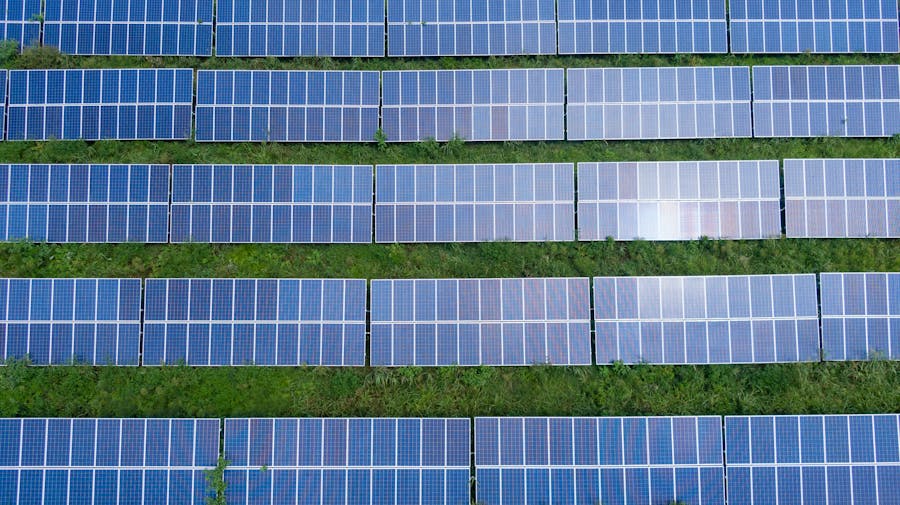
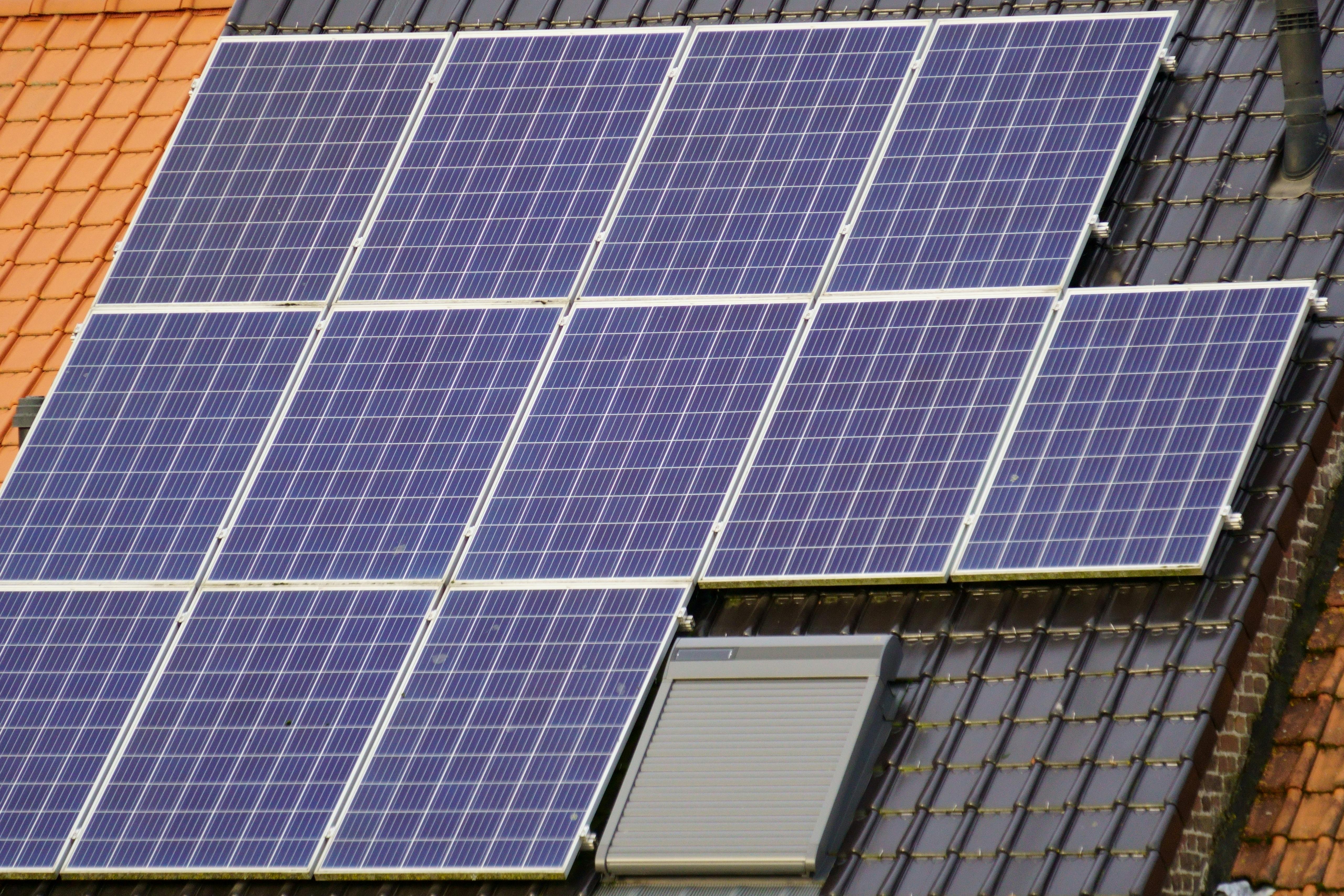
Decentralizing energy generation through residential, commercial, and industrial rooftop solar photovoltaic installations democratizes electricity production and enhances community energy resilience. Paired with localized lithium-iron-phosphate (LFP) or sodium-ion battery storage systems, rooftop solar enables neighborhoods to form self-sustaining islanded microgrids that maintain power during extreme weather events and centralized grid blackouts. Smart bidirectional inverters and automated peer-to-peer blockchain energy trading platforms allow homeowners to sell excess generated power to neighboring facilities, reducing transmission line congestion and eliminating the need for polluting fossil fuel peaker power plants.

Gleaming blue solar panel modules glistening in sunlight
SOLAR-06 // MICROGRID
Large scale industrial battery energy storage container facility
STORAGE-07 // IRON-FLOW
LONG-DURATION STORAGE

Long-Duration Energy Storage: Flow Batteries & Pumped Hydro

Achieving a one hundred percent renewable energy grid requires scalable long-duration energy storage (LDES) systems capable of discharging electrical power continuously for twelve hours to several days during prolonged periods of low wind and overcast skies. Iron-flow batteries, liquid-air energy storage (LAES), and advanced closed-loop pumped-storage hydropower utilize non-toxic, abundant materials with zero fire hazard to store gigawatt-hours of surplus green electricity. Closed-loop pumped hydro facilities pump water between two artificial reservoirs of differing elevations when solar power is abundant, then release it through hydroelectric turbines during nocturnal peak demand, delivering round-the-clock grid reliability without greenhouse emissions.

Geothermal power plant with clean steam plumes in volcanic landscape
GEOTHERMAL-08 // ENHANCED-EGS
BASELOAD CLEAN HEAT

Enhanced Geothermal Systems (EGS) & Baseload Power

Enhanced Geothermal Systems (EGS) unlock the immense, inexhaustible thermal energy reserves of Earth's deep crystalline basement rocks kilometers below the surface. By utilizing advanced directional drilling and hydraulic stimulation techniques perfected by the oil industry, engineers circulate clean water through deep fractured hot rock formations, extracting superheated steam to drive electric turbines with ninety-five percent capacity factors. Unlike solar and wind, deep geothermal provides continuous, weather-independent baseload electricity while occupying a tiny surface land footprint. EGS can also repurpose exhausted oil and gas wells and provide clean district heating for municipal buildings, creating green employment opportunities for transitioning fossil fuel workers.

Modern energy-efficient passive house architecture with triple-pane glass
BUILD-09 // PASSIVHAUS
THERMAL EFFICIENCY

Passive House Architecture & Deep Building Retrofits

Buildings account for nearly forty percent of global energy consumption, predominantly for space heating, cooling, and ventilation. Passive House (Passivhaus) architectural standards achieve up to a ninety percent reduction in heating and cooling energy demand through airtight building envelopes, continuous super-insulation, triple-glazed windows, and high-efficiency heat recovery ventilation (HRV) systems. Deep municipal retrofit programs replacing gas furnaces with electric heat pumps, sealing exterior building facades, and installing automated external blinds drastically slash operational emissions while insulating occupants from soaring fossil fuel heating costs and enhancing indoor air quality.

CIRCULAR ECONOMICS

Circular Economy: Material Loops & Extended Producer Laws

The linear take-make-waste economic model extracts raw virgin resources, processes them into short-lived goods, and discards them into landfills, driving habitat loss and biospheric toxicity. Embracing a circular economy paradigm designs waste and pollution out of the system from the outset, keeping materials in productive use indefinitely through modular product design, remanufacturing, and advanced mechanical recycling. Binding Extended Producer Responsibility (EPR) regulations mandate that electronics, automotive, and packaging manufacturers take complete financial responsibility for the end-of-life collection and recycling of their products, incentivizing the development of easily repairable, durable goods and eliminating planned obsolescence.

Worker sorting clean recycled electronic and metal materials
CIRCULAR-10 // REMANUFACTURE
Electrolyzer hydrogen production facility with gleaming stainless steel pipes
H2-11 // GREEN-ELECTROLYSIS
HARD-TO-ABATE SECTORS

Green Hydrogen Electrolysis for Heavy Industry & Chemicals

While direct electrification with batteries solves passenger vehicles and residential heating, hard-to-abate industrial sectors—such as primary steelmaking, chemical fertilizer synthesis, and long-haul maritime shipping—require high-density energy carriers and chemical feedstocks. Green hydrogen produced by splitting purified water using proton exchange membrane (PEM) or alkaline electrolyzers powered exclusively by renewable solar and wind electricity emits zero carbon throughout its lifecycle. Green hydrogen can replace fossil gas in direct reduced iron steel mills, serve as the basis for green ammonia fertilizers, and synthesize carbon-neutral synthetic e-fuels for aviation, effectively decarbonizing the most challenging heavy industrial sectors.

Green sea turtle swimming gracefully over protected coral reef sanctuary
MPA-12 // 30x30-SANCTUARY
MARINE CONSERVATION

Marine Protected Areas & The 30x30 Conservation Target

The international 30x30 conservation initiative, ratified under the Kunming-Montreal Global Biodiversity Framework, mandates the legal protection of at least thirty percent of global land and oceans by 2030. Fully and highly protected Marine Protected Areas (MPAs) prohibit commercial industrial bottom-trawling, offshore oil drilling, and deep-sea mining, allowing damaged pelagic and benthic marine ecosystems to recover their ecological biomass. Intact marine reserves harbor thriving fish populations that spill over into surrounding waters, bolstering sustainable artisanal coastal fisheries while protecting crucial blue carbon habitats—including kelp forests, seagrass meadows, and deep-sea cold-water coral reefs—from mechanical destruction.

Lush green wildlife overpass bridge over highway allowing animals to cross
REWILD-13 // CORRIDOR
LARGE-SCALE RESTORATION

Continental Rewilding & Apex Predator Reintroduction

Rewilding focuses on restoring self-regulating, dynamic natural ecosystems by reinstating key biological processes and reintroducing keystone species, particularly apex predators like wolves, lynx, and wild carnivores, alongside ecological engineers such as beavers and bison. Beavers build wetlands that slow down water runoff, filter agricultural pollutants, and create fire-resistant green refuges during intense wildfires. Apex predators trigger beneficial trophic cascades, regulating overabundant herbivore populations that would otherwise overgraze young tree saplings, allowing riparian forests to regenerate naturally without human replanting. Constructing vegetated wildlife highway overpasses restores landscape connectivity, enabling animals to migrate freely in response to shifting climate zones.

MINERAL SEQUESTRATION

Enhanced Rock Weathering & Permanent Carbon Mineralization

Natural geological rock weathering removes billions of tons of carbon dioxide from the atmosphere over millions of years as silicate rocks react with carbonic acid dissolved in rainwater, transforming carbon into stable bicarbonate ions that wash into the oceans. Enhanced Rock Weathering (ERW) accelerates this natural process to human timescales by grinding abundant silicate minerals, such as basalt or olivine, into fine dust and spreading it across agricultural soils. As rain falls, the high surface area of the basalt powder reacts with atmospheric carbon dioxide, permanently locking it away as dissolved inorganic carbon for over ten thousand years without risking leakage. In addition to sequestering carbon, basalt application enriches soils with vital micronutrients (calcium, magnesium, iron), neutralizes soil acidity, and boosts crop yields.

Natural volcanic basalt rock formations and columns on coastline
WEATHER-14 // BASALT-ERW
Students collaborating in modern green educational laboratory
JUSTICE-15 // DEMOCRATIC-TRANSITION
JUST TRANSITION

Climate Justice, Community Power & Just Transition Funds

A successful and enduring ecological transition cannot be achieved without addressing fundamental questions of economic equity, human dignity, and democratic participation. Just Transition frameworks guarantee that workers and communities historically dependent upon coal mining, oil drilling, and heavy fossil refining are not left behind as polluting industries phase down. Targeted public investment funds finance comprehensive worker retraining programs, early retirement packages, and local economic diversification initiatives in fossil-reliant regions. Furthermore, community-owned renewable energy cooperatives empower citizens to own and control their own local clean energy assets, retaining profits within regional economies, addressing historic energy poverty, and building widespread democratic solidarity for a healthy, thriving, and regenerative planetary future.