PLANETARY DIAGNOSTIC INTERFACE // ORBITAL TELEMETRY

IDAI - EARTH OBSERVATORY

Welcome to the IDAI planetary health assessment matrix, where live orbital observations synchronize with deep-surface biospheric telemetry. Our mission is to track the delicate ecological equilibriums sustaining carbon cycles, oceanic currents, and atmospheric stability across the globe. Observe the photorealistic Earth as real-time environmental diagnostics reveal the physiological condition of our shared world.

ATMOSPHERE: 424.8 PPM CO2
TEMP ANOMALY: +1.38°C GLOBAL
ORBITAL ALTITUDE: 740 KM POLAR
TELEMETRY: ONLINE // SECURE

01. ATMOSPHERIC ENVELOPES & BIOSPHERE TELEMETRY

Real-time surveillance of tropospheric chemistry, stratospheric ozone restoration, and particulate optical depth.

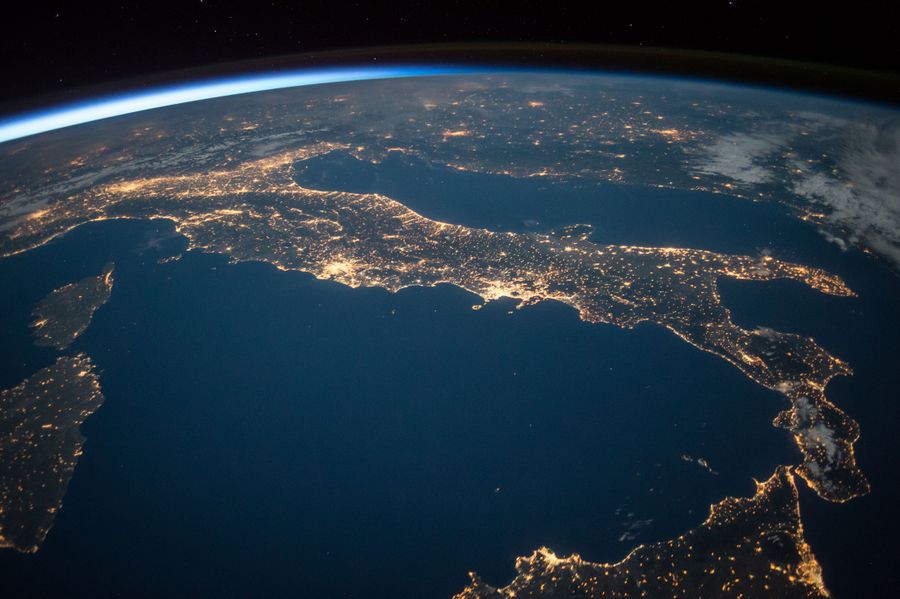
Planet Earth from deep orbit
SENSOR MATRIX A-101
ATMOSPHERIC OPTICAL DENSITY

Tropospheric Gas Concentration Spectra

High-altitude orbital spectrometers indicate that tropospheric greenhouse gas concentrations continue to rise across the Northern Hemisphere, altering the planetary radiative equilibrium at unprecedented rates. Solar shortwave radiation permeates the outer atmospheric layers unimpeded, yet outgoing terrestrial longwave infrared radiation remains increasingly trapped within our fragile boundary envelope. This chronic thermal retention amplifies convective storm cycles, shifts polar jet streams southward, and produces persistent high-pressure heat domes over continental landmasses. By synthesizing continuous multi-band orbital scans with grounded meteorological stations, our telemetry grid observes microscopic aerosol scatter across hundreds of oceanic flight corridors. Preserving atmospheric clarity necessitates immediate declines in synthetic hydrocarbon vapor releases worldwide before thermal thresholds permanently dislodge existing seasonal weather patterns.


SOLAR WIND DEFLECTION

Geomagnetic Magnetosphere Diagnostics

The liquid outer iron core of Earth generates an expansive magnetosphere extending tens of thousands of kilometers into deep interplanetary space, functioning as our vital cosmic shield against coronal mass ejections and destructive solar particle flux. Satellite constellation arrays positioned at the Lagrange balance nodes consistently map the magnetopause boundary, evaluating how solar proton storms interact with ionizing atmospheric gases. Without this invisible geomagnetic barrier, solar radiation would relentlessly strip away atmospheric moisture and dissociate ozone compounds, transforming lush biological ecosystems into sterile arid landscapes akin to ancient planetary remnants. Monitoring geomagnetic field oscillations provides fundamental insights into deep terrestrial geodynamics and reveals how solar irradiance variations influence upper atmospheric ionization layers across consecutive solar cycle rhythms.

Cosmic aurora and magnetic shield
MAGNETO-VECTOR M-04
Stratosphere blue curvature of Earth
OZONE RECOVERY O-88
STRATOSPHERIC EQUILIBRIUM

Stratospheric Ozone Layer Stabilization

Decades of empirical chemical telemetry validate the historic efficacy of global chemical bans in healing the Antarctic stratospheric ozone hole. Spectroscopic satellite sounders tracking chlorine and bromine radicals reveal a gradual decline in catalytic ozone destruction cycles, allowing the protective trioxygen layer to thicken gradually across both polar vortex regions. This structural atmospheric stabilization prevents excessive ultraviolet-B penetration from damaging sensitive oceanic phytoplankton populations and causing widespread genetic mutations across terrestrial wildlife. Nonetheless, novel halogenated compounds and unpredictable volatile emissions from severe wildfire pyrocumulonimbus plumes occasionally penetrate the lower stratosphere, illustrating that atmospheric guardianship requires continuous vigilance. Sustainable stratospheric preservation confirms that coordinated international regulatory intervention can successfully reverse planetary-scale biospheric degradation when grounded in rigorous empirical science.

Atmospheric haze and aerosol particulate pollution
AEROSOL INDEX A-212
RADIATIVE FORCING

Anthropogenic Aerosol Optical Depth & Masking

The combustion of sulfur-rich heavy fuel oils and industrial biomass produces dense clouds of fine sulfate aerosols, which temporarily mask a considerable fraction of greenhouse thermal warming by reflecting incoming solar irradiance back into space. Planetary climatologists characterize this counter-intuitive phenomenon as aerosol masking or solar dimming, a fragile veil that artificially suppresses the full thermal expression of accumulated atmospheric carbon dioxide. As modern emission scrubbers and clean marine fuel mandates successfully eradicate sulfur emissions to protect urban public health, this temporary reflective shield dissolves, unmasking underlying warming and accelerating regional sea surface temperature anomalies. Understanding the precise optical depth of industrial aerosols allows researchers to differentiate between short-term atmospheric reflectance fluctuations and long-term greenhouse radiative forcing trajectories.

02. OCEANOGRAPHIC VECTORS & HYDROLOGICAL CYCLES

Deep sea salinity gradients, thermohaline circulation deceleration, and thermal expansion dynamics.

Ocean swells and deep currents
AMOC SENSOR OC-01
THERMOHALINE CIRCULATION

Atlantic Meridional Overturning Deceleration

The Atlantic Meridional Overturning Circulation functions as the primary hydrodynamic heat conveyor of the planet, transporting warm tropical waters northward toward the subpolar gyre while driving cold, dense brine southward along the deep abyssal plains. Autonomous Argo float arrays traversing the North Atlantic demonstrate an unprecedented influx of low-density freshwater runoff derived from the accelerated melting of the Greenland Ice Sheet. This massive meltwater pulse diminishes surface water salinity and inhibits the downwelling density necessary to sustain the deep ocean conveyor. A prolonged deceleration or shutdown of this planetary heat engine would catastrophically reorganize global precipitation belts, amplify hurricane intensity across the Caribbean, and trigger severe agricultural disruptions across Western Europe and Sub-Saharan Africa.

OCEAN HEAT CONTENT

Marine Thermal Expansion & Stratification

Over ninety percent of the surplus thermal energy trapped within the Earth system by anthropogenic greenhouse emissions is absorbed directly by the world's oceans, penetrating into bathypelagic layers over two thousand meters deep. Because seawater expands physically as its temperature rises, this thermal absorption accounts for nearly half of all observed global sea level rise, independent of glacial meltwater contributions. Simultaneously, thermal stratification creates an impermeable barrier between warm, nutrient-depleted surface waters and dense, mineral-rich deep currents, severely stunting coastal upwelling ecosystems and suffocating marine life in expanding oceanic oxygen minimum zones. High-resolution bathymetric telemetry reveals that deep sea warming is accelerating, threatening the long-term metabolic stability of benthic ecosystems and irreversibly shifting marine species distribution ranges poleward.

Deep marine underwater thermals
HEAT INDEX O-500
Continental river basin and water flow
HYDRO DISRUPT H-33
GLOBAL FRESHWATER INTENSITY

Planetary Hydrological Cycle Acceleration

Governed by the fundamental thermodynamic principles of the Clausius-Clapeyron relation, every additional degree Celsius of atmospheric warming enables ambient air to hold roughly seven percent more water vapor. This heightened atmospheric moisture capacity supercharges global evaporation rates over arid regions while precipitating catastrophic atmospheric rivers and extreme torrential downpours across temperate river basins. The resulting intensification of the hydrological cycle manifests as prolonged, devastating agricultural droughts punctuated by violent flash floods that strip away fertile topsoils and overwhelm municipal storm drainage systems. Satellite gravimetry from the GRACE-FO mission tracks rapid depletion across major continental freshwater aquifers, proving that freshwater security is rapidly becoming one of the most volatile geopolitical flashpoints of the twenty-first century.

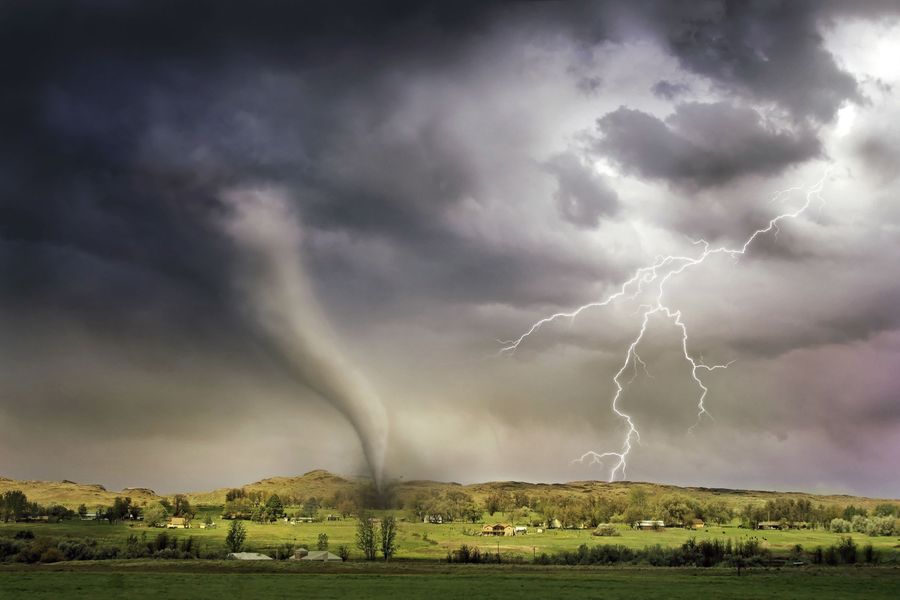
Storm lightning and convective clouds over ocean
CYCLONE SURGE C-99
TROPICAL CYCLONE ENTHALPY

Marine Heatwaves & Hurricane Intensification

Elevated sea surface temperatures exceeding twenty-eight degrees Celsius provide immense enthalpy reserves that fuel the rapid intensification of tropical cyclones, typhoons, and hurricanes. Modern storms frequently undergo rapid escalation cycles, leaping from Category 1 systems to catastrophic Category 5 behemoths within a thirty-six-hour window before coastal communities can adequately evacuate. Concurrently, persistent marine heatwaves sweep across delicate coral reefs and coastal kelp forests, triggering unprecedented coral bleaching events and decimating foundational marine food webs. Autonomous acoustic surface gliders monitor these expanding thermal anomalies in real time, delivering vital telemetry to meteorological forecasting algorithms that model storm surge heights and track shifts in tropical cyclogenesis across the Pacific and Atlantic basins.

03. POLAR CRYOSPHERE & GLACIOLOGICAL RETREAT

Ice shelf hydrofracturing, marine ice sheet instability, and permafrost methane venting telemetry.

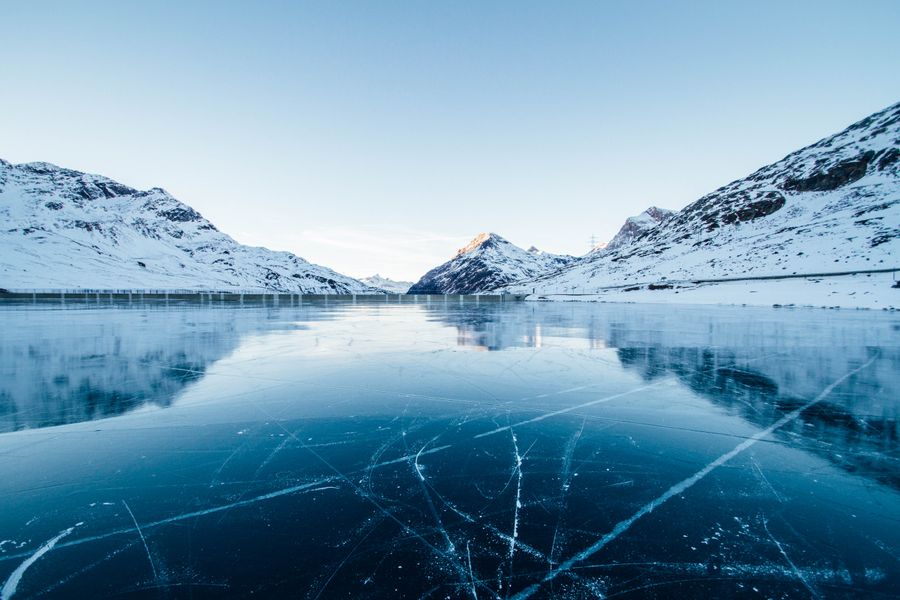
Melting Arctic ice floes
ICE ALBEDO IA-10
FEEDBACK MECHANISMS

Arctic Sea Ice Volume & Albedo Feedback Loops

The Arctic Ocean acts as Earth's natural cosmic mirror, reflecting eighty percent of incoming summer solar radiation back into space through its thick, perennial pack ice cover. As rising polar air and sea temperatures strip away this protective sea ice shield, expansive expanses of dark open ocean water are exposed, which absorb ninety percent of incoming solar energy instead of reflecting it. This profound transition drives the Arctic ice-albedo positive feedback loop, heating regional waters and accelerating further ice melt in a self-perpetuating cycle known scientifically as Arctic amplification. High-resolution synthetic aperture radar satellites reveal that the Arctic has lost over seventy percent of its multi-year ice volume since 1979, destabilizing polar vortex boundaries and triggering severe winter weather extremes across North America and Eurasia.

SUBGLACIAL DISRUPTION

Antarctic Grounding Line Instability & Thwaites

The West Antarctic Ice Sheet rests upon a retrograde continental bedrock bed that slopes downward toward the interior of the continent, far below current sea level. Autonomous underwater vehicles diving beneath the floating ice shelves of Thwaites Glacier have mapped intrusion channels where warm, dense Circumpolar Deep Water directly erodes the foundational grounding line of the glacier from beneath. Because the bedrock deepens inland, any retreat past the current grounding ridge could initiate an irreversible runaway mechanical collapse known as Marine Ice Sheet Instability. A full collapse of the Thwaites drainage basin alone would raise global oceans by more than sixty centimeters, while potentially destabilizing the surrounding marine sectors to trigger over three meters of catastrophic worldwide coastal inundation.

Massive glacier cliff calving into ocean
THWAITES VECTOR T-44
Subglacial melting lakes and ice caves
RUNOFF SENSOR R-02
SUPRAGLACIAL HYDROLOGY

Greenland Ice Sheet Meltwater Drainage Moulins

During the Arctic summer melting season, thousands of sapphire supraglacial meltwater lakes form across the interior expanses of the Greenland Ice Sheet. When these enormous surface water bodies fracture under hydrostatic pressure, millions of tons of meltwater drain vertically through deep cylindrical ice tunnels called moulins in a matter of hours. Reaching the subglacial interface between bedrock and continental ice, this pressurized liquid acts as a potent hydraulic lubricant, reducing basal friction and allowing colossal ice streams to surge outward into coastal fjords at unprecedented velocities. In-situ seismic acoustic monitoring networks register continuous micro-earthquakes produced by this subglacial acceleration, proving that thermodynamic warming directly translates into accelerated kinematic discharge of land ice into the rising planetary ocean.

Thawing Siberian permafrost landscape
PERMAFROST CH4-77
CRYOSPHERIC CARBON RESERVOIRS

Permafrost Thaw & Methane Hydrate Release

Circumpolar northern permafrost soils lock away approximately 1,500 billion metric tons of organic carbon—nearly double the quantity currently suspended within the entire global atmosphere. As high-latitude tundra warms at triple the global average rate, structural thermokarst collapse fractures the landscape, allowing anaerobic microbes to decompose previously frozen Pleistocene biomass into potent methane gas. Atmospheric monitoring aircraft sweeping across Siberia and Northern Canada detect massive subterranean methane blowouts and bubbling thaw lakes that vent millions of cubic meters of greenhouse vapors into the atmosphere. This irreversible biological emissions surge represents a dangerous sleeping carbon giant capable of overpowering human decarbonization efforts unless immediate interventions halt the degradation of northern peatlands.

04. ANTHROPOGENIC FORCING & INDUSTRIAL COMBUSTION

Surveillance of fossil extraction corridors, petrochemical refining plumes, and urban heat island effects.

Industrial coal power plant smoke
FOSSIL FLEET F-09
STATIONARY COMBUSTION

Fossil Fuel Baseload Reliance & Carbon Lock-In

Despite historic cost reductions in solar photovoltaic and wind energy generation, fossil combustion remains responsible for more than sixty percent of global electricity production. Heavily capitalized coal-fired thermal stations and combined-cycle natural gas facilities represent an acute threat of carbon lock-in, where capital amortizations and sovereign capacity contracts artificially extend the operational lifespans of polluting infrastructure for decades. Burning pulverized thermal coal continues to vent toxic heavy metals, fly ash particulates, and billions of tons of carbon dioxide directly into the planetary boundary layer. Retiring unmitigated thermal coal fleets and transitioning to decentralized smart grid architectures is an essential prerequisite for decarbonization, yet emerging industrial economies face intense financial pressure to maintain existing thermal generation assets to meet expanding consumer electrical demand without incurring stranded asset penalties.

FUGITIVE SURVEILLANCE

Hydraulic Fracturing & Flaring Plume Telemetry

The rapid expansion of hydraulic fracturing across shale basins has unlocked immense quantities of tight oil and gas, yet the extraction process is plagued by pervasive fugitive methane emissions that leak from wellheads, gathering pipelines, pneumatic valves, and compressor stations. Methane possesses a global warming potential more than eighty times greater than carbon dioxide over a twenty-year timescale; peer-reviewed empirical airborne flyover studies reveal that leak rates in basins like the Permian frequently exceed three percent of total production. When leak rates cross this critical threshold, natural gas loses any climatic advantage over coal in power generation. Utilizing specialized hyperspectral imaging satellites like MethaneSAT allows environmental regulators to pinpoint super-emitting facilities in near-real-time and enforce mandatory leak detection and repair regulations.

Oil refinery flaring burning at dusk
CH4 PLUME CP-55
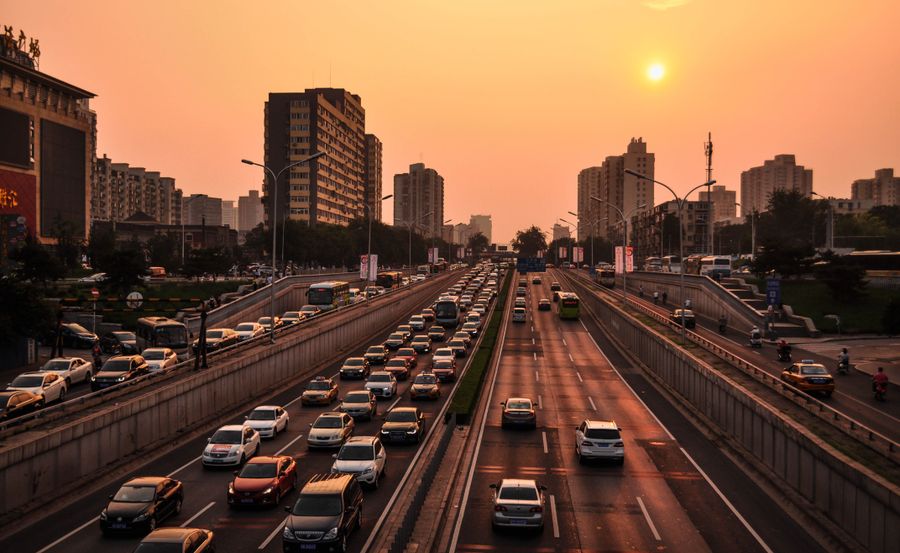
Heavy highway traffic and exhaust fumes
TRAFFIC EXHAUST TX-12
MOBILE EMISSION MATRICES

Internal Combustion Ground Fleet Emissions

The global ground transportation sector relies almost entirely upon internal combustion engines burning petroleum-derived gasoline and diesel, releasing colossal volumes of carbon monoxide, unburned volatile organic hydrocarbons, and nitrogen oxides into congested street canyons. Under intense summer sunlight, these vehicular emissions undergo photochemical reactions that synthesize toxic ground-level tropospheric ozone, a severe respiratory irritant that degrades human pulmonary function and stunts urban tree vitality. High-resolution tropospheric monitoring instruments on board the Sentinel-5P satellite clearly map dense nitrogen dioxide plumes hovering over major urban highway interchanges and freight logistics corridors. Accelerating municipal fleet electrification, expanding zero-emission electrified light rail networks, and designing walkable urban districts are vital to sever the deadly correlation between urban mobility and toxic vehicle exhaust.

Dense modern metropolis heat island
URBAN HEAT UHI-80
MICROCLIMATIC THERMALS

Urban Heat Island Dynamics & Concrete Thermal Mass

Metropolitan centers populated by millions of citizens suffer from intense urban heat island effects, wherein dense concrete, asphalt pavement, and brick architecture absorb solar radiation during daylight hours and re-radiate thermal energy throughout the night. This physical thermal inertia prevents nocturnal cooling, elevating nighttime temperatures by up to ten degrees Celsius compared to surrounding rural landscapes and causing severe heat-related mortality among vulnerable populations lacking mechanical air conditioning. Concurrently, the scarcity of vegetative tree canopies and permeable topsoils suppresses natural evapotranspiration cooling, turning city street canyons into thermal ovens during summer heatwaves. Deploying reflective cool roofs, expanding urban street canopy shade, and replacing impervious asphalt with permeable bioswales are vital civil engineering measures required to restore microclimatic resilience within modern human settlements.

05. ECOLOGICAL REGENERATION & BIOSPHERIC RESTORATION

Continental rewilding corridors, blue carbon coastal ecosystems, and planetary equilibrium indicators.

Lush green mossy old growth forest
CARBON SINK CS-300
BIOLOGICAL SEQUESTRATION

Primary Boreal & Tropical Old-Growth Conservation

Old-growth primary forests represent unmatched biological carbon vaults that cannot be replaced by commercial monoculture tree farms or short-rotation timber plantations. Ancient tropical canopies in the Amazon and Congo basins, alongside circumpolar boreal pine forests in Canada and Scandinavia, store colossal quantities of carbon within complex soil fungal networks and centuries-old trunks. In addition to sequestering carbon, these vast forest matrices regulate global hydrological cycles by generating atmospheric flying rivers that transport moisture across thousands of continental miles to sustain regional agriculture. Preserving primary intact forest tracts from fragmentation requires legal enforcement of indigenous land sovereignty and total bans on industrial clear-cutting, ensuring that these irreplaceable ecological sanctuaries continue to anchor planetary biodiversity and climate stability.

MARINE REWILDING

Blue Carbon Sequestration in Coastal Mangroves

Coastal marine ecosystems, including tidal mangrove estuaries, salt marshes, and underwater seagrass meadows, sequester carbon at rates up to ten times faster per hectare than mature terrestrial tropical rainforests. The complex submerged root architecture of mangrove trees traps organic sediment in anoxic, waterlogged soils, preventing biological decomposition and permanently burying carbon within subterranean geological strata for millennia. Furthermore, these resilient coastal buffer zones attenuate violent ocean storm surges, protect vulnerable coastal cities from destructive hurricanes, and provide vital nursery habitats for thousands of endangered marine species. Investing in large-scale coastal wetland rewilding programs represents one of the most cost-effective nature-based climate solutions available, combining long-term planetary carbon drawdown with indispensable coastal climate adaptation and flood defense.

Coastal mangrove roots submerged in clean seawater
BLUE CARBON BC-14
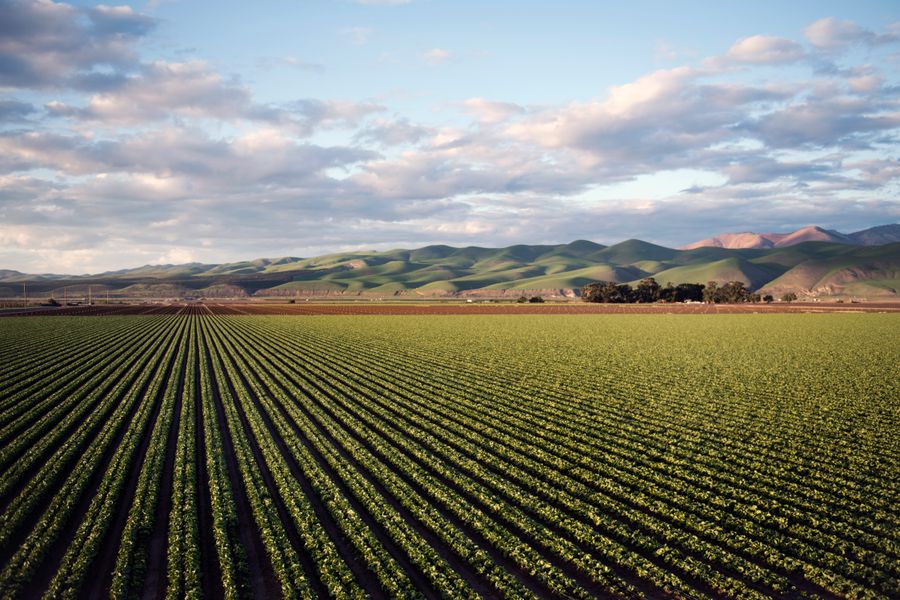
Regenerative agricultural green field
REGEN SOIL RS-90
AGROECOLOGICAL SOIL SYSTEMS

Regenerative Soil Agriculture & Mycorrhizal Inoculation

Industrial chemical agriculture characterized by heavy mechanical tilling, synthetic nitrogen fertilizers, and toxic pesticides has stripped away more than half of the world's fertile topsoil carbon over the past century. In stark contrast, regenerative agricultural practices—including continuous multi-species cover cropping, no-till seeding, rotational livestock grazing, and organic compost inoculation—actively rebuild biological topsoil depth while pulling carbon out of the sky. Healthy soils rich in symbiotic mycorrhizal fungi and diverse bacterial communities act as colossal carbon sinks that dramatically enhance soil water retention, enabling crops to survive extreme summer droughts without artificial irrigation. Scaling regenerative agroecological methodologies across global farmland restores depleted rural economies, restores disappearing insect and bird biodiversity, and secures high-yield food production for future generations.

Planet Earth illuminated from space
SYNTHESIS SYN-100
PLANETARY EQUILIBRIUM

Biospheric Tipping Cascades & The Anthropocene Horizon

Earth's complex ecological systems do not respond to external anthropogenic stressors in simple, predictable linear trajectories; rather, they are governed by non-linear thresholds and feedback mechanisms that can precipitate rapid regime shifts once tipping points are crossed. The simultaneous melting of Greenland ice, weakening of the Atlantic Meridional Overturning Circulation, dieback of the Amazon rainforest, and thawing of Siberian permafrost could trigger an interconnected cascade of biospheric transitions that pushes the planet into a novel, hyper-thermal state. Halting this dangerous trajectory requires an unprecedented global mobilization to dismantle fossil fuel infrastructure, regenerate degraded planetary ecosystems, and implement circular ecological economics that honor planetary boundaries. The IDAI planetary telemetry network stands as a transparent, empirical instrument dedicated to illuminating these interconnected systems and guiding humanity toward biospheric equilibrium.